
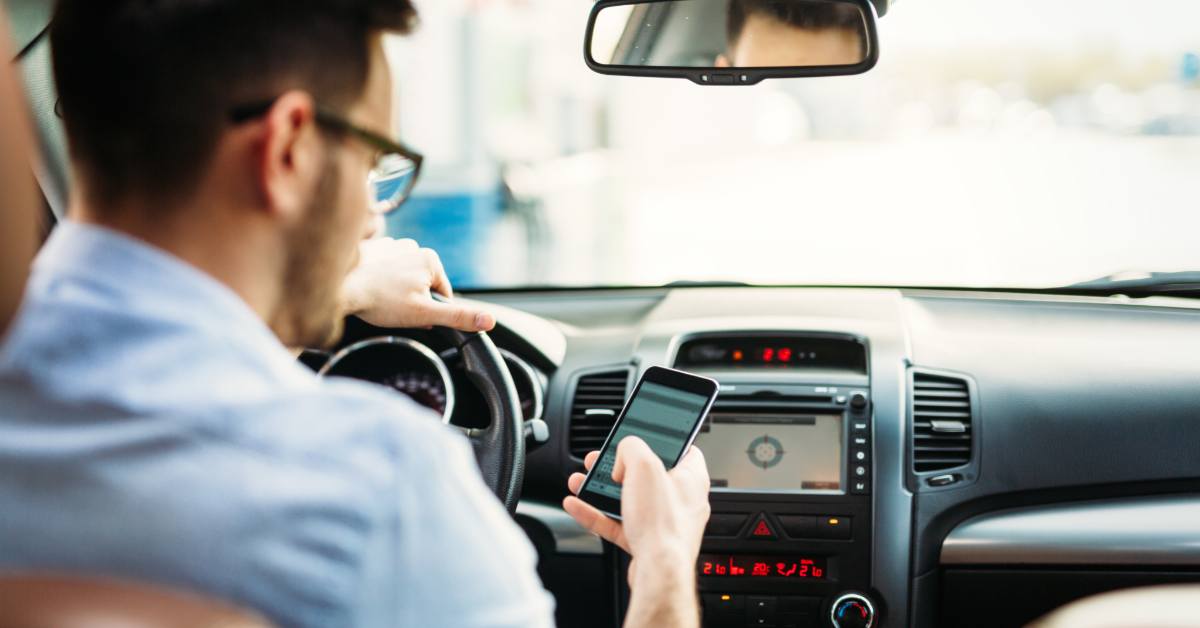
Distracted driving remains one of the leading causes of traffic deaths and injuries across the country. Federal data has shown thousands of fatalities and hundreds of thousands of injuries tied to distraction behind the wheel each year.
With drive-thru convenience built into daily life, many drivers eat behind the wheel without giving it a second thought. This habit, while common, can sometimes lead to citations and even accidents with serious consequences.
A common question drivers ask is: Is it illegal to eat and drive in California? The answer is more nuanced than a simple yes or no.
What Counts as Distracted Driving
California law does not name eating as an illegal act on its own. However, lawmakers have created broad categories of distraction that officers use to evaluate driver behavior.
These generally fall into three groups. Manual distractions take a driver’s hands off the wheel. Visual distractions pull a driver’s eyes from the road. Cognitive distractions pull a driver’s attention away mentally, even if their eyes and hands stay in place.
Eating while driving can trigger all three categories at once, which is part of why it draws scrutiny from law enforcement.
Is It Illegal to Eat and Drive in California?
Strictly speaking, there is no statute that bans eating while operating a vehicle. California Vehicle Code Section 23123.5 addresses handheld cell phone use, not food or drinks.
That said, officers have another tool available. California Vehicle Code Section 22350 prohibits driving at speeds that endanger others, and this includes speed and control problems caused by distraction.
If an officer believes eating behind the wheel caused a driver to lose control or drive unsafely, that driver can be cited for distracted or reckless driving. A citation can come with a fine of roughly $150.
When Officers Are Likely to Issue a Citation
The key factor is whether the eating created an observable safety risk. An officer who sees a driver juggling utensils, opening condiment packets, or unwrapping food while swerving or slowing erratically has grounds for a stop.
Simply sipping coffee or taking a bite of a snack at a stoplight is unlikely to draw attention on its own. The behavior has to show a real disregard for safe driving before it becomes a citable offense.
This distinction matters because it puts the focus on outcome and behavior rather than the act of eating itself.
Why Eating Behind the Wheel Is Risky
Eating and driving is inherently dangerous, but it introduces variables that increase risk. A dropped item, a hot spill, or a reach across the seat can happen in an instant.
Any of these moments can cause a driver to swerve, brake suddenly, or lose their grip on the wheel. Even a second or two of lost control can be enough to cause a serious collision.
Passengers, pedestrians, and other drivers all share exposure to this risk once a distracted driver is on the road.
The Real Cost of Distracted Driving Accidents
The consequences of a distraction-related crash extend well past a traffic ticket. Injuries from these accidents can range from minor to catastrophic, and victims often face significant medical expenses.
Beyond physical harm, those responsible for causing a crash may face criminal penalties, higher insurance premiums, and the potential loss of driving privileges. Victims, meanwhile, are left dealing with recovery costs and lost income.
Establishing that distraction caused a crash typically requires solid documentation, including police reports and evidence showing the driver’s behavior at the time of impact.
Frequently Asked Questions
Is it illegal to eat and drive in California?
No single law makes eating while driving illegal in California. However, a driver can still be cited if eating leads to unsafe or reckless driving under the state’s broader traffic safety statutes.
What happens if eating causes a crash?
If a driver’s distraction while eating leads to a collision, they may face fines, increased insurance costs, and civil liability for any injuries or damages caused.
Can a police officer stop me just for eating in the car?
An officer generally needs to observe unsafe driving behavior, not just the act of eating, before issuing a citation.
How an Experienced Attorney Can Help
Proving that distraction caused a crash is not always straightforward. Insurance companies often look for ways to minimize claims, and establishing fault requires solid evidence and a clear understanding of applicable traffic laws.
An experienced car accident attorney can review police reports, gather supporting evidence, and build a case that shows how a driver’s distraction led to an accident. This includes identifying witness accounts, analyzing accident scene details, and working with the insurance process on a client’s behalf.
Having skilled legal representation can make a significant difference in the outcome of a distracted driving claim. An attorney can help ensure that all liable parties are held accountable and that injury victims pursue the full compensation they deserve for medical bills, lost wages, and other damages.
If you or a loved one has been affected by a distracted driving accident, speaking with a knowledgeable attorney early can help protect your rights and strengthen your case from the start.