
A meaningful gift does not always need to be expensive. Sometimes, the most memorable presents are the ones that reflect a person’s interests, celebrate a special moment, or include a detail that makes them feel unique. From personalized desk accessories to miniature keepsakes, customized objects offer a way to turn an ordinary gift into something more personal.
However, designing a custom object can be challenging for people without modeling experience. Even when someone has a clear idea in mind, turning it into a three-dimensional design may require specialized software and technical skills.
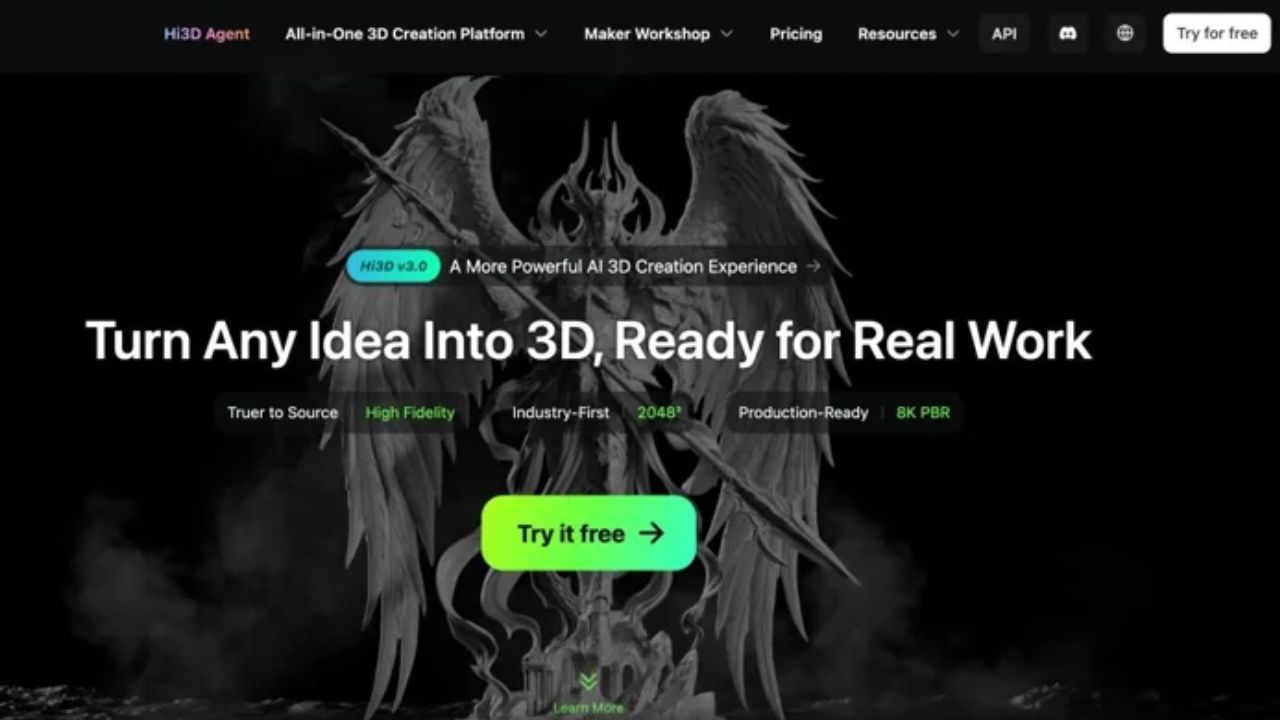
AI-powered 3D creation tools offer a more approachable starting point. Hi3D serves as a 3D model maker AI that helps users turn visual ideas and image references into 3D assets, allowing them to explore personalized designs before deciding how to refine or produce them. For hobbyists, gift makers, and creative beginners, this can make the process of developing custom keepsakes easier to explore.
Turning Personal Ideas into Three-Dimensional Designs
Personalized gifts often begin with a simple idea. Someone might want a decorative object inspired by a favorite animal, a miniature version of a meaningful item, or a desk accessory that reflects a friend’s personality.
The challenge is translating that idea into a shape that works in three dimensions. A sketch may communicate the general concept, but it cannot always show the object’s depth, proportions, or appearance from different angles.
Hi3D offers image-to-3D generation, which allows users to start with suitable visual references and create preliminary 3D models. This provides an alternative to building every shape manually and gives users a model they can inspect and refine.
For example, someone designing a gift for a music enthusiast might begin with a reference image of a musical instrument-inspired decorative object. A generated model can help communicate the general form and provide a starting point for further customization.
Users can also explore text-to-image generation when they need visual inspiration before creating a 3D asset. This can be helpful when the original idea is not yet represented by a finished image.
The generated model may not reproduce every detail exactly as intended. It should be reviewed carefully, especially when the design depends on recognizable features, precise proportions, or small decorative elements.
Designing Gifts Around Individual Interests
A personalized gift becomes more meaningful when it reflects the recipient rather than following a generic design. Different people may appreciate different styles, from playful miniatures and fantasy-inspired objects to minimalist decorations and practical accessories.
With an AI-assisted workflow, users can explore several visual directions before committing to one concept. They might compare a simple design with a more elaborate version or experiment with different shapes and decorative elements.
Hi3D can support this early exploration by turning suitable references into three-dimensional assets. Instead of trying to imagine the finished object entirely from a flat drawing, users can inspect a generated model and decide whether its overall appearance matches their idea.
Consider a gift for someone who enjoys gardening. Possible concepts might include a small plant marker, a decorative miniature, or an organizer for gardening accessories. The most suitable design depends on the recipient’s preferences and the intended use of the object.
The same principle applies to gifts for readers, travelers, music lovers, and collectors. The goal is not simply to generate an object, but to create something connected to a person’s interests.
For designs intended for physical production, practical considerations still matter. A decorative shape may look attractive on screen but require adjustments to become durable, stable, or comfortable to handle.
Making Keepsakes for Special Occasions
Birthdays, graduations, anniversaries, weddings, and family celebrations often inspire people to create keepsakes. These objects can represent a shared memory, mark an important milestone, or serve as a lasting reminder of an event.
Three-dimensional design expands the range of possible keepsakes. A person might create a commemorative ornament, a miniature display object, or a decorative piece inspired by a meaningful place or activity.
Hi3D can help users develop an initial visual concept and turn suitable references into a model for further work. This can be particularly useful when someone wants to explore a distinctive design but does not have the skills to create a detailed model from scratch.
For instance, a graduation gift might take the form of a small decorative object inspired by the graduate’s field of study. A travel-themed keepsake could reference a recognizable landmark or an activity shared during a trip.
When creating a commemorative item, users should pay attention to the details that make it personal. These might include a recognizable silhouette, a meaningful symbol, or a shape associated with a shared experience.
Text and lettering may require separate attention. Names, dates, and short messages need to remain readable at the final object’s size, so they should be checked carefully rather than assumed to be accurate in an AI-generated model.
A thoughtful design does not need to be complicated. A clear concept with one meaningful detail can be more effective than an object crowded with decorative features.
Exploring Small Collectibles and Decorative Objects
Some people enjoy collecting miniature objects, themed decorations, or small figures related to their favorite activities. These items can also make appealing gifts because they are easy to display and can be tailored to a specific interest.
AI-assisted 3D creation provides a way to explore possible collectible designs. Users can begin with an illustration or another suitable reference and generate a preliminary model that communicates the intended shape.
Hi3D can help users experiment with concepts such as stylized animals, fantasy-inspired ornaments, miniature accessories, and decorative desk objects. The resulting assets can then be reviewed to determine whether they need additional modeling or adjustments.
The intended level of detail should guide the design process. A simple miniature may depend mainly on its silhouette, while a character-inspired collectible may require more careful attention to its face, pose, and distinctive features.
Small objects introduce their own challenges. Thin protrusions, tiny gaps, and delicate details may not survive physical production, especially when the final item is very small. A model that looks detailed on a large screen may lose important features when reduced in size.
Users planning to print a collectible should therefore consider its scale and construction early. They may need to simplify some features, strengthen narrow sections, or divide a complex object into separate pieces.
It is also important to consider intellectual property. Gifts inspired by existing characters, logos, or branded designs may be suitable for private experimentation, but producing or selling them can raise copyright or trademark concerns. Users should understand the relevant permissions before distributing or commercializing such items.
Preparing Custom Designs for Three-Dimensional Printing
For people who want to turn a digital gift into a physical object, 3D printing offers a way to produce customized shapes. It can be useful for small decorations, personalized accessories, and selected keepsakes that are difficult to find in ordinary stores.
Hi3D includes printing-oriented features that can support certain model preparation tasks. Depending on the design and workflow, users can explore functions such as model splitting, connector generation, and checks related to print thickness.
These capabilities can help when a model needs to be divided into smaller sections or reviewed before printing. However, not every generated model is immediately suitable for fabrication.
Before printing, users should check the model’s dimensions, wall thickness, stability, and overall geometry. Objects with unsupported sections or fragile details may require changes. A model may also need repair if its mesh contains errors that interfere with the printing process.
The choice of material matters as well. A decorative keepsake may prioritize appearance, while an object intended for frequent handling may need greater durability. The most appropriate material depends on the object’s purpose and the capabilities of the printer.
Users who do not own a printer can investigate suitable printing services. Before ordering, they should confirm that the model meets the provider’s requirements and review the expected material, dimensions, cost, and delivery arrangements.
A careful review before production can reduce the likelihood of receiving an object that differs from the intended design.
Adding Visual Style to Personalized Objects
The appearance of a gift depends on more than its shape. Color, surface texture, and the overall visual style can influence whether an object feels playful, elegant, modern, or traditional.
Hi3D offers AI texturing capabilities that can help users explore different surface appearances for supported models. This provides another way to develop a visual direction without manually creating every texture from the beginning.
For example, a decorative keepsake might be explored with a smooth, polished appearance, while a fantasy-inspired object could use a more stylized surface treatment. Comparing these options can help users decide which look best suits the intended recipient.
However, a digital texture does not necessarily represent the material that will be used in physical production. A model that appears metallic on screen may be printed in plastic, and the final result will depend on the material, printer, finishing process, and available colors.
Users should distinguish between visual presentation and actual manufacturing specifications. If a gift requires a particular finish or color, they should confirm that the production method can achieve it.
Keeping the design consistent also helps. Too many competing colors or surface effects may distract from the personal detail that makes the object special.
Making the Creative Process More Accessible
Creating a custom 3D gift can involve several stages: developing an idea, finding or preparing references, generating a model, reviewing the result, and preparing the asset for its intended use.
For beginners, the hardest part may be knowing where to start. Traditional modeling software can offer extensive control, but learning its tools may take time before a user can produce the desired result.
Hi3D provides an alternative starting point for people who want to explore 3D creation with image-based and text-based workflows. Users can begin with a specific concept, generate a preliminary asset, and evaluate whether it meets their needs.
The most effective process starts with a clear objective. Rather than asking for an extremely complicated object immediately, users can focus on the main shape and the feature that makes the gift personal. They can then identify which details need improvement.
It is also useful to keep reference images organized and review each generated version against the original idea. This makes it easier to identify whether a change genuinely improves the design or simply makes it more complicated.
AI does not eliminate the need for creative judgment. Users still decide what the object should communicate, which details matter, and whether the final result is appropriate for the recipient.
Choosing Hi3D for Personalized Gift Projects
Hi3D can be a useful option for people who want to explore custom 3D gifts without beginning every project with manual modeling. Its image-to-3D, text-to-image, texturing, and model preparation capabilities support different parts of the creative process, depending on the user’s needs.
The platform is most helpful when users have a clear idea but need assistance turning it into a visual asset. It can provide a starting point for decorations, small collectibles, commemorative objects, and other personalized designs.
At the same time, users should evaluate the generated model before treating it as a finished product. Details may need correction, text may require separate preparation, and printable objects must meet the requirements of their intended production method.
A good workflow combines AI-assisted generation with careful review. Begin with a meaningful concept, create a preliminary model, refine the important features, and confirm that the result suits its intended use.
Personalized gifts are valuable because they reflect the people and experiences behind them. Hi3D offers another way to explore those ideas in three dimensions, helping users move from an initial concept toward a custom digital asset that can be refined, shared, or prepared for physical production.