
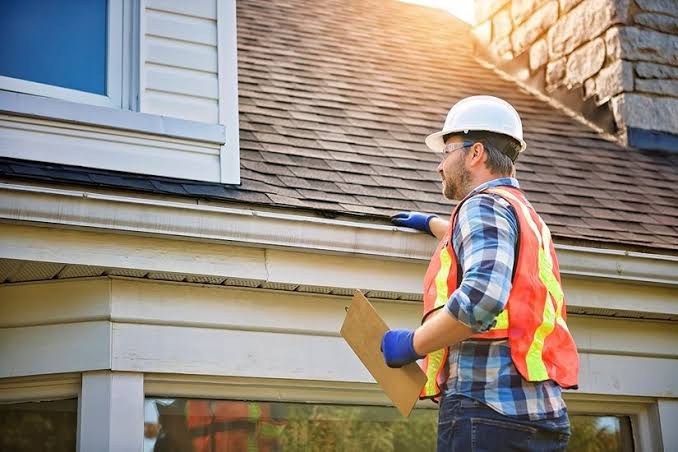
A roof replacement or major repair ranks among the most expensive single-day purchases a homeowner makes. The contractor who stands on that roof holds your home’s waterproofing, structural deck, and interior in their hands for the duration of the project. Choosing a Denver roofing contractor with the same care you’d give a surgeon or a structural engineer is not overcaution – it is the most practical thing you can do before anyone climbs a ladder on your property.
This guide walks through the specific credentials to verify, the questions worth asking before you sign anything, and the patterns that reliably identify a contractor you should walk away from.
License Verification: Contractors Carry It; States Confirm It
Every state that requires a roofing contractor license maintains a public lookup tool. The license number a contractor prints on their estimate is verifiable in minutes. What you’re confirming is not just that a number exists – you’re confirming that it belongs to the company named in your estimate, that it covers roofing work in your state, and that it carries an active status as of the date you’re checking.
A license authorizes a contractor to pull permits. Permits authorize the work. Permitted work is inspected. Uninspected roofing work, done without a permit, sits on the homeowner’s record as an open liability – it surfaces during home sales, insurance claims, and refinances. Verifying a license before signing is not a formality; it is the first protection you give yourself.
Insurance: Two Policies, Two Different Risks
A roofing contractor should carry two distinct insurance policies: general liability and workers’ compensation. These are not interchangeable.
General liability covers damage the contractor causes to your property during the project. If a crew member drops materials through a skylight or drives equipment across a buried irrigation line, general liability is what pays for the repair.
Workers’ compensation covers crew members who sustain injuries on your property. Without it, an injured worker’s medical and lost-wage claims can follow the property owner. This is not a rare edge case – roofing is among the highest-risk trades in construction, and falls happen on residential projects.
Request a certificate of insurance before work begins. The certificate names the insurer, the policy limits, and the policy expiration date. If a contractor declines to provide one, treat that refusal as a disqualifying response.
Written Scope of Work: What a Real Estimate Covers
A roofing estimate that lists only a material type and a total price tells you almost nothing useful. A written scope of work that earns your signature covers these items:
- Existing material removal: how many layers come off, what happens to the debris, and whether a disposal fee applies or is included
- Deck inspection protocol: what the contractor does if they find rot or damage during tear-off, and how change orders for deck repairs are priced and authorized
- Underlayment and flashing: the specific underlayment product, whether existing flashing is replaced or reused, and what governs that decision around chimneys, skylights, and valleys
- Material product and line: the exact manufacturer and product series for shingles, membrane, or metal, not just a category name
- Cleanup and final walkthrough: who handles debris removal, who does the magnetic sweep for fasteners, and what the sign-off process looks like before the contractor leaves the site
If any of these items are missing from a written estimate, ask for them in writing before you decide. A contractor who resists writing down the scope is a contractor whose scope can change once work begins.
Storm Chasers: A Distinct Category of Risk
After a hail event or significant wind storm, roofing contractors who operate specifically in storm-affected markets arrive in force. They canvass neighborhoods, knock on doors within days of a weather event, and present insurance claim assistance as a primary service. Some operate legitimately. Many do not.
The specific pattern that damages homeowners involves temporary licensing, subcontracted crews with no local accountability, and a business model that exits the market before warranty claims arrive. The contractor who inspects your roof in May is unreachable by October when a flashing leak develops.
Questions that separate a locally accountable contractor from a storm-chasing operation:
- Where is your permanent business office, and have you operated in this market for more than two years?
- Do you employ your own crews, or do you subcontract the installation work?
- If I have a warranty issue in eighteen months, who do I call, and who answers?
- Can you provide references from projects completed in this area in the past twelve months?
A contractor with a permanent local presence, employed crews, and verifiable local references answers these questions directly. One who struggles with them is telling you something important.
Comparing Bids: The Same Scope, Not the Lowest Number
Three bids on a roofing project are not three prices for the same thing unless the scope is identical across all three estimates. A lower bid that removes the ice-and-water shield, substitutes a lesser-grade underlayment, or reuses existing flashing is not the same project. It is a different project at a lower price – and the difference surfaces as a repair cost, not as savings.
Before you compare numbers, compare scope line by line. Where scopes differ, ask each contractor to explain the trade-off. A contractor who can explain why their specification is different – and what happens if the alternative fails – is demonstrating the kind of technical literacy that separates a roofer who understands their craft from one who is selling you a number.
Finding a Contractor Worth Hiring
The homeowners who report satisfaction with major roofing projects consistently describe the same process: they verified the license, confirmed both insurance certificates, read the scope line by line, asked about crews and local accountability, and compared specifications before comparing prices. The result, in most cases, is a contractor who shows up with a written plan, executes it, and stands behind the work when questions arise afterward.
Apple Roofing serves homeowners across the Denver metro and Front Range as a licensed, insured roofing contractor with local crews and a written scope of work on every project. If you are in the research phase of a roof repair or replacement, the team at appleroof.com is available to answer questions, inspect your roof, and provide a written estimate at no charge.
View Your Trusted Roofers in Denver, CO in a full screen map
Media Contact:
Company Name: Apple Roofing
Phone: (720) 881-0651
Address: 6899 N Pecos St
City: Denver
State: CO
ZIP Code: 80221
Country: United States
Website: https://appleroof.com/denver-co/
Social Media:
https://www.facebook.com/appleroofing
https://www.linkedin.com/company/apple-roofing-llc/
https://www.youtube.com/channel/UCMNRXjzM6GKfNh7hX8rRRfQ
https://www.instagram.com/appleroofing/